
Seaweed's Potential for Aotearoa New Zealand
Hear about our latest seaweed farm installation in Rakiura with fisherman, business owner and seaweed farmer Zane Smith growing Macrocystis pyrifera.
Seaweed farming represents one of the most innovative and exciting growth opportunities for Aotearoa New Zealand’s aquaculture industry.
It is scalable, climate positive and provides rural economic opportunities throughout the supply chain with national level significance.
We have succeeded in de-risking many of the biological and technical aspects of practical farming two native (Ecklonia radiata and Macrocystis pyrifera) and two endemic species. From permitted eco-sourcing through to hatchery spore induction, farm cultivation and downstream fermentation and product innovation, Greenwave Aotearoa has built and validated a complete supply pathway for regenerative seaweed farming in Aotearoa New Zealand to operate at commercial scale. Most crucially, we have built commercial relationships that allow us to leverage our knowledge, world leading technology and high value market access to deliver on this blue economy opportunity.

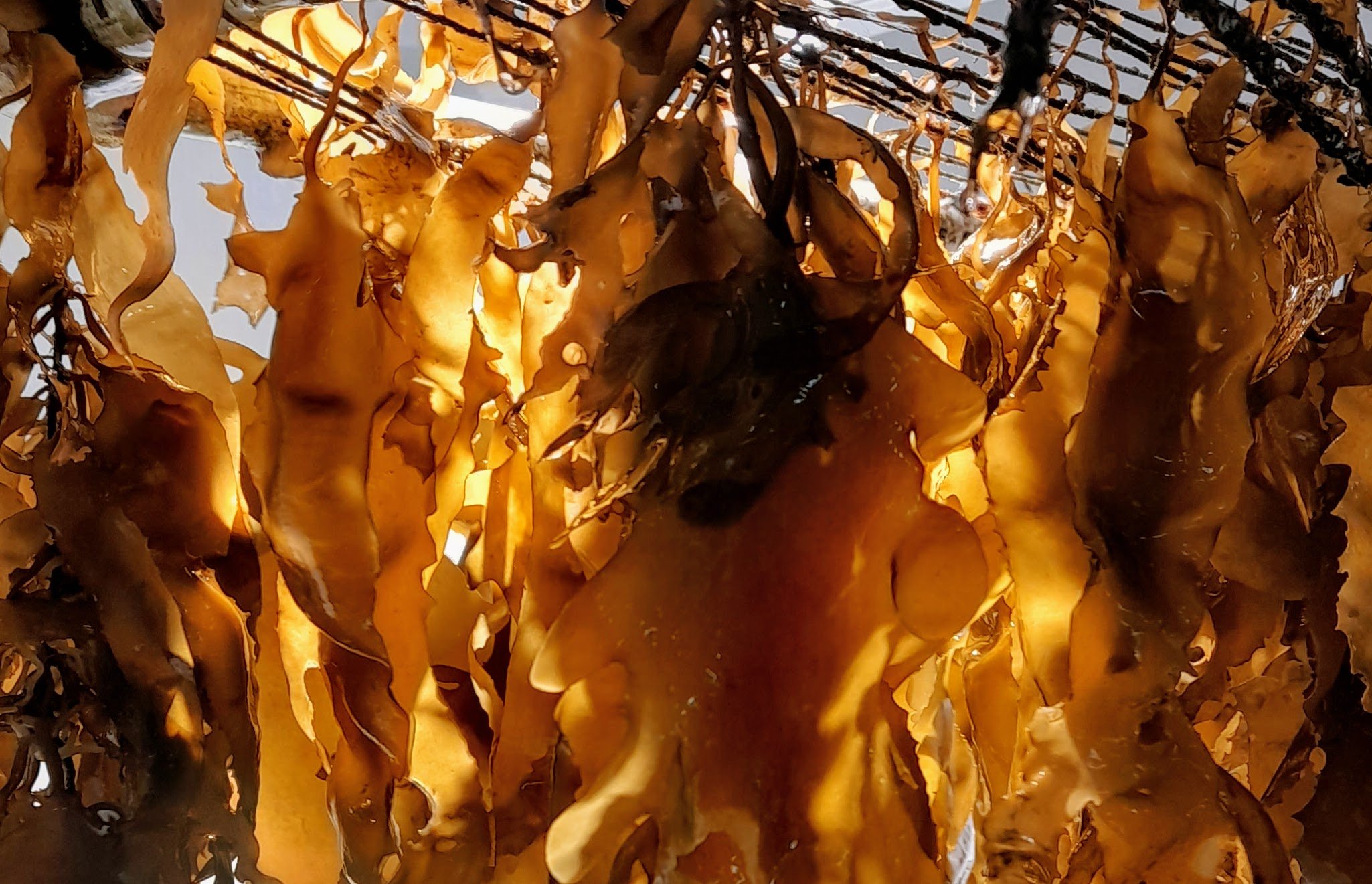
Planting out Greenwave Aotearoa seaweed spools. Photo: Scott Sinton.
A prosperous seaweed sector provides meaningful economic, environmental, social and cultural benefits to local communities, along with broader impacts nationally.
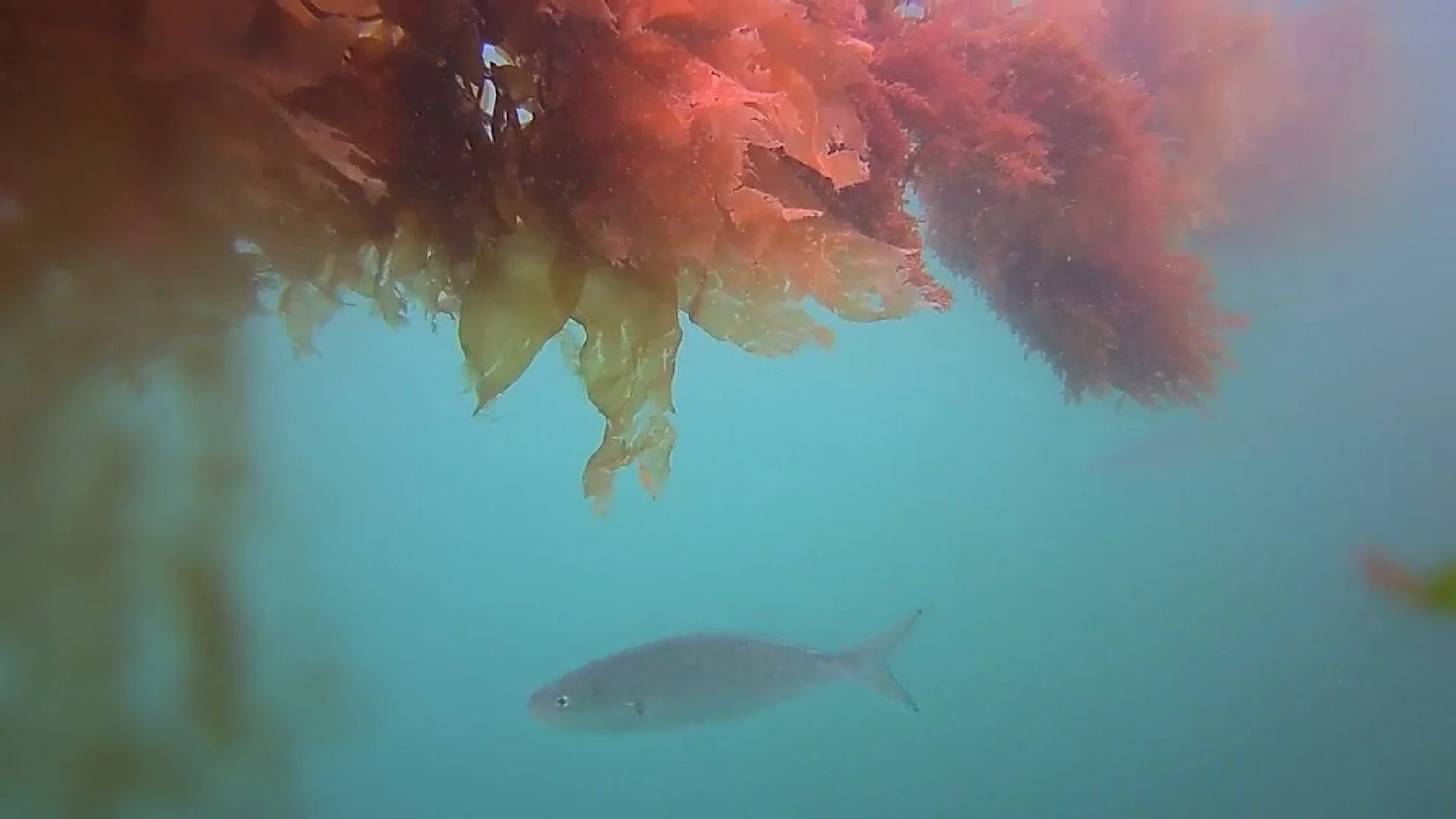
Fish at one of our seaweed farms in the South Island.
We are unlocking the potential of a thriving seaweed sector. Greenwave Aotearoa focuses a lens on an environmental problem that we can help solve, while creating economic opportunity..
This is scalable regenerative ocean farming, where seaweed cultivation addresses environmental challenges and fosters economic opportunities in our communities.
Our oceans hold vast potential for sustainable innovation, and seaweed is among the most promising solution. By responsibly cultivating and utilising seaweed, we are creating a future that supports our needs while protecting the environment.

Rich in vitamins, minerals, and antioxidants, seaweed is valued as both a nourishing food and a powerful ingredient in health and skincare. Its unique nutritional profile makes it ideal for supporting wellness, and it has been incorporated into products aimed at enhancing overall health and vitality, all with a minimal environmental footprint.
The seaweed industry offers opportunities to strengthen coastal economies, creating jobs and new sources of income for communities by harnessing local marine resources. Through sustainable practices, seaweed farming can promote economic resilience in coastal areas, helping these communities thrive while preserving their natural surroundings.

Seaweed absorbs large amounts of carbon dioxide and other nutrients as it grows, making it a natural ally in the fight against climate change. By expanding seaweed cultivation, we can support carbon reduction efforts, promote cleaner oceans, and help address climate challenges through a truly renewable resource.
Seaweed stands out as a natural solution to many of today’s environmental challenges, offering a renewable resource that supports everything from food to eco-friendly products. As a fast-growing marine plant, seaweed provides a sustainable option that can help reduce reliance on land-based resources while serving as a foundation for a range of industries, including food, health, and environmental solutions.
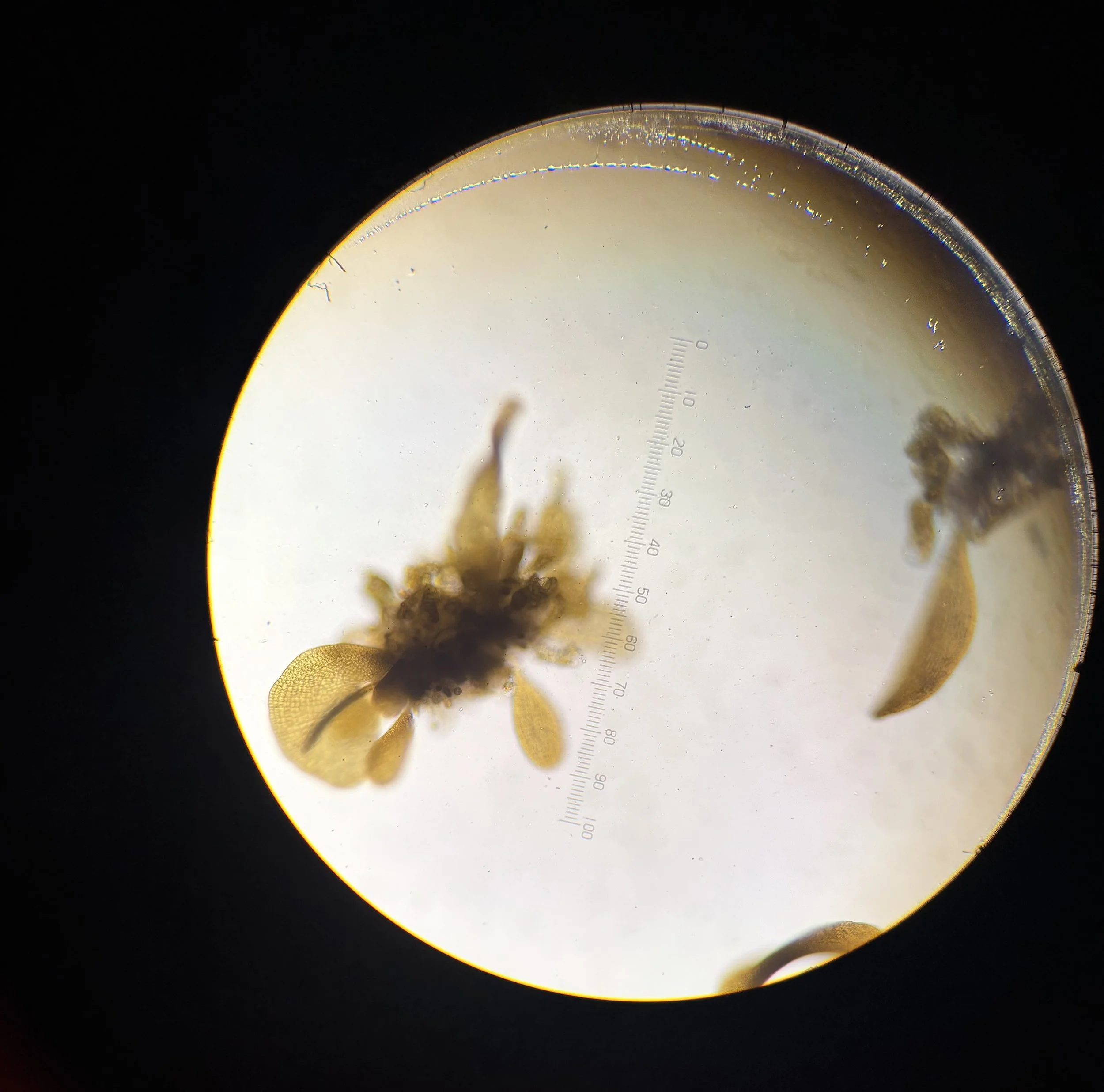
Microscopic view of seaweed growing in Greenwave Aotearoa hatchery at SEALIFE Kelly Tarlton’s. Photo: A Smith.

-
![Seaweed habitat]()
Ecosystem restoration
Seaweed enhances marine biodiversity and restores ocean ecosystems by providing habitats and improving water quality.
-
![Seaweed]()
Sustainable food & products
Seaweed farming produces a renewable, nutrient-rich source of food, biofuels, and eco-friendly materials for various uses, without requiring freshwater or arable land.
-
![Seaweed on shore]()
Nutrient removal
Seaweed absorbs excess nutrients, like nitrogen, phosphorus and potassium from the water, helping to combat ocean eutrophication and reduce dead zones.
-
![Seaweed in the ocean]()
Carbon sequestration
Seaweed absorbs CO2 from the atmosphere, helping to mitigate climate change by reducing carbon levels.


Join our mailing list
Join us as we grow seaweed to be a catalyst for economic, environmental,
social, and cultural benefits to local communities nationwide.


Resources and further reading

International Seaweed Symposium presentations
The 24th International Seaweed Symposium held in Tasmania in February 2023 drew attendees from around the world, including several of the Greenwave Aotearoa team who championed New Zealand’s growing seaweed industry. Associate Professor Marie Magnusson and Dr Rebecca Lawton from the University of Waikato, Dr Nigel Bradly and Rebecca Barclay from EnviroStrat and Clare Bradley from AgriSea all contributed to the conversation with presentations and keynote addresses during the Symposium.

Seaweed Sector Framework
In October 2022, Sustainable Seas National Science Challenge released the Seaweed Sector Framework. This co-developed roadmap shows how Aotearoa New Zealand could grow its rimurimu | seaweed sector in a way that provides meaningful environmental, social and cultural benefits as well as economic to local communities and nationally. Greenwave Aotearoa team members EnviroStrat co-developed the Framework and Premium Seas was a case study to ensure the Framework was fit for purpose and of value to future users.

Successful initiation of sorus formation and viable zoospores in Ecklonia radiata on isolated lateral fronds under hatchery conditions
A key advancement in our work programme has been the development of methods to successfully maintain broodstock in tanks and induce formation of reproductive tissue on demand. This is important as it removes reliance on sourcing reproductive tissue from wild Ecklonia radiata, which is only present at certain times of the year. You can read more about this work in the University of Waikato team’s paper published in December 2022.

Why seaweed?
Seaweed makes up almost a third of global aquaculture production volume.
The global value of seaweed aquaculture in 2019 was estimated at US$14 billion with a growth rate of 7% per year on average over the last decade.
Seaweed aquaculture production volume has tripled over the last 20 years and now accounts for 97% of total global production – over 34 million tonnes was aquaculture and just over 1 million tonnes was wild harvest in 2019.
Seaweed has a number of product applications including biostimulants, feed supplements, nutraceuticals and hydrogels.